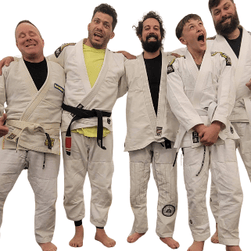
Neck Grips in BJJ: Care for Your Partner
Ask your coach how to care for your partner and your own neck.
Learn how to handle neck grips with care. Tap early and ask for help.
Sensei Sandy BJJ | Catskills Reserve Your Free First Visit.
What the Studies Report
- One study counted cases of physical harm. The rates were 5.5 per 1,000 training hours and 55.9 per 1,000 matches. PMC
- In one study, the most common sites of harm were the fingers or hands (78.6%) and knees (61.5%). PMC
- Another study reported that 91% of cases of harm took place in training. PMC
- A match-day study found 9.2 cases of harm per 1,000 athlete exposures. BJJ Match-Day Study
Ask About Neck and Spine Care
This article discusses a Chewjitsu video on neck grips. Ahmed, an ICU doctor in the video, talks about spinal care. Ask a health care pro about your own neck needs. Reserve Free Intro to meet Sandy.
Use these ideas as questions for your coach. Your neck needs care during grips, holds, and guard play.
Learn to Spot Neck Pressure
A neck crank twists or bends the neck under pressure. You may feel the stress before you have time to react. Tap early when a hold strains your neck. Ask your coach to check the grip.
Talk with your partner about neck limits before a round. Ask your coach how to adjust the drill. A health care pro can advise you about past neck issues.
The Technical Fix: Asphyxiation > Cranking
The Cow Catcher can place stress on the neck. Ask your coach to check the hold and pressure. Use it in coached practice only. Keep your partner's tap as the signal to release.
A neck hold needs care at any size. Follow your coach's limits for the drill. Add pressure with care and release on the tap.
Keep Weight Off Your Neck in Guard
In guard, ask your coach how to keep weight off your neck. If you invert, treat it as a move through a position. Work back to a stable base. Let the coach check your weight and angle.
The "Bionic Man" Fallacy & Training Etiquette
Chewy urges students to care for the neck during grips. Tap early and reset. Tell your coach if a partner adds neck pressure beyond the agreed pace. Choose partners who respect your limits.
Video Credit
Watch Chewjitsu’s full breakdown for context: Watch the full breakdown here.
Sources
Practice With a Coach
Ask your coach to show where the weight goes in each hold. Practice the release as well as the grip. Set a pace that fits both partners. See current plans.
Reserve Your Free First Visit