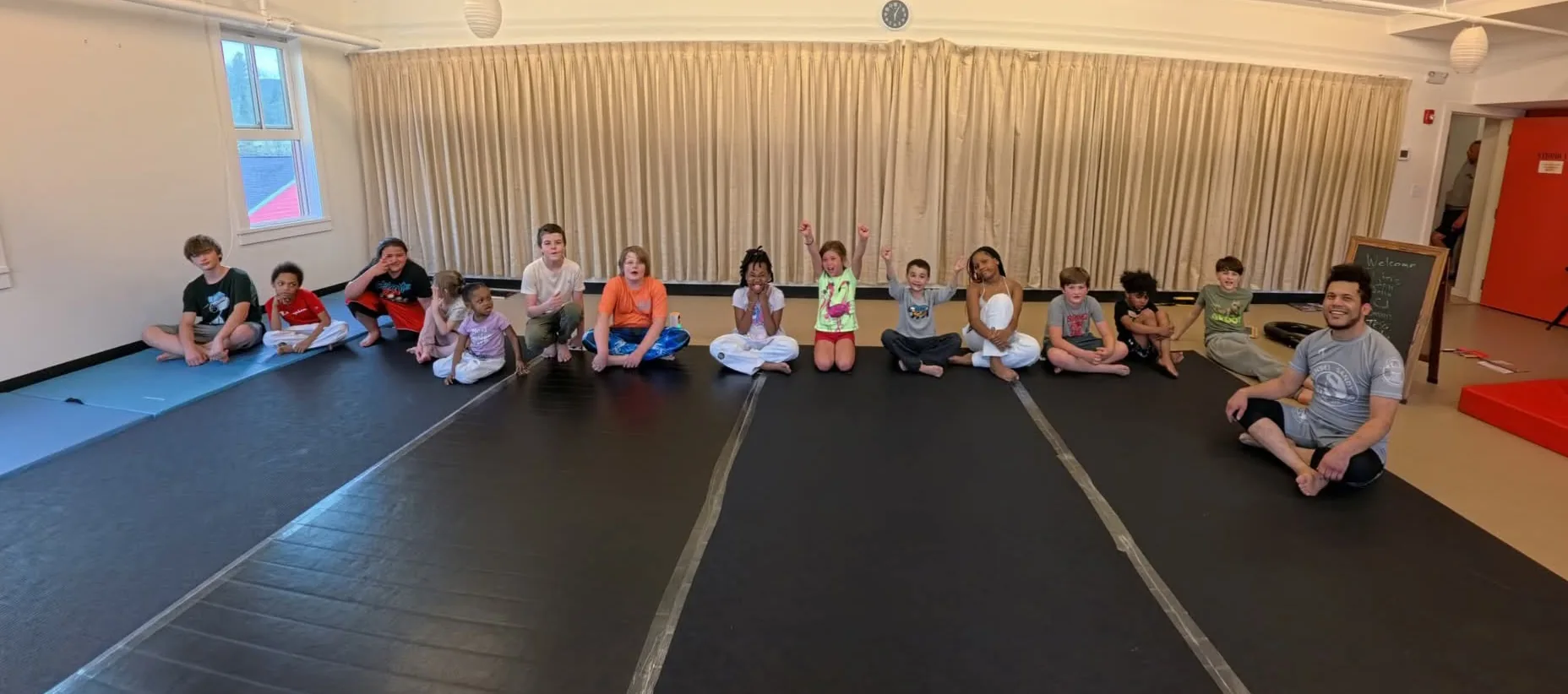
If you are searching for beginner friendly BJJ in Tannersville, you are probably asking the same question most first-timers ask: can I do this without feeling overwhelmed?
A beginner-friendly program answers that immediately. It makes the first visit clear, calm, and easy to follow instead of forcing you to guess how the room works.
What Makes BJJ “Beginner Friendly”
Not all small-group classes are built for beginners. A beginner-friendly program focuses on clarity, pace, and safety before intensity.
- Clear step-by-step instruction
- Controlled training environment
- No pressure to spar immediately
- Simple structure you can follow
Unique Advantage
Beginner Lane
Beginner Lane is the simplest way to explain why the first class feels different here. It means tour first, safety walkthrough, partner matching, and skill-based resistance activities begin at the right pace from day one.
The goal is not to test you. The goal is to make the first class feel manageable enough that you can come back and build real momentum.
The Biggest Fear Beginners Have
Most people are not mainly worried about fitness. They are worried about walking into something they do not understand and feeling out of place immediately.
A good beginner program removes that feeling fast. You know where to go, what the room expects, and what the first few minutes are going to look like.
"Calm, welcoming, and beginner-friendly. Clear instruction and supportive atmosphere."
Adult student review used across the site.
What Your First Small-group class Looks Like
Your first class should feel calm and structured.

- Quick tour of the space
- Safety walkthrough before the room speeds up
- Basic movements explained clearly
- Partner drills with guidance
- Skill-based resistance activities begin at the right pace from day one
If you want the longer breakdown, use the minute-by-minute first-class guide.
Why People Start in Tannersville
Students from Tannersville, Hunter, and nearby towns train in a structured program designed to make the beginning feel doable. The point is more than learning techniques. It is building enough comfort to keep showing up.
Adults usually start on the main adult path at Adult Jiu-Jitsu. Families can use the clearer age-based routes at Kids Jiu-Jitsu and Teens Jiu-Jitsu.
Class Times That Are Easy to Follow
- After-School Small-Group Classes: Kids and teens
- Evening Classes: Adults
These anchors make it easier to build a routine without overthinking every week.
What to Wear on Day One
Keep day one simple. Wear athletic clothes you can move in and avoid anything with sharp hardware or snag points.
- Athletic shirt or rashguard
- Shorts or leggings you can move in
- No zippers or buttons
After booking, families get the Show-Up Kit with what to wear, where to park, and how day one works.
You Do Not Need Experience or Fitness
Most beginners start with zero experience. Classs are built to bring you up from the ground level instead of expecting you to arrive ready.
- No prior training needed
- No high fitness requirement
- Progress builds over time
"A calm and structured environment. My kids look forward to every small-group class."
Family review used across the kids and teens paths.
What Makes People Stick With It
The biggest difference is how the first few classes feel. If they are clear and manageable, people come back. If the first class feels like chaos, they disappear.
That is why Beginner Lane matters more than hype. It creates a first experience that feels worth repeating.
Common Question: “Am I Too Late to Start?”
No. Most people start later than they expected and progress steadily.
The important thing is not when you start. It is whether the room gives you a path that feels realistic enough to keep going.
Beginner FAQ
Am I too late to start BJJ?
No. Most people start later than they expected and do fine when we coach the first small-group classes to be calm and beginner-friendly.
Do I need to be fit before I start?
No. The first goal is learning the room, the pace, and the basics, not proving your conditioning.
What happens on day one?
Day one starts with a tour, a safety walkthrough, basic movements, and coached drills. Beginner Lane means coached pacing from day one.
Best First Class This Week
Evening Small-Group Classes
Simple start. Beginner-friendly. Skill-based resistance activities begin at the right pace from day one.